Music, the sonic anchor and soundtrack to calm and purpose
Mary Allen spearheads a new music program at the Greenville Phillis Wheatley Center (PWCC).
She offers free piano lessons to children who cannot afford them.
Allen now has 14 students from all locations, but she has room for 2 more at PWCC. Lessons are at 3 pm on Monday, Tuesday, and Friday.
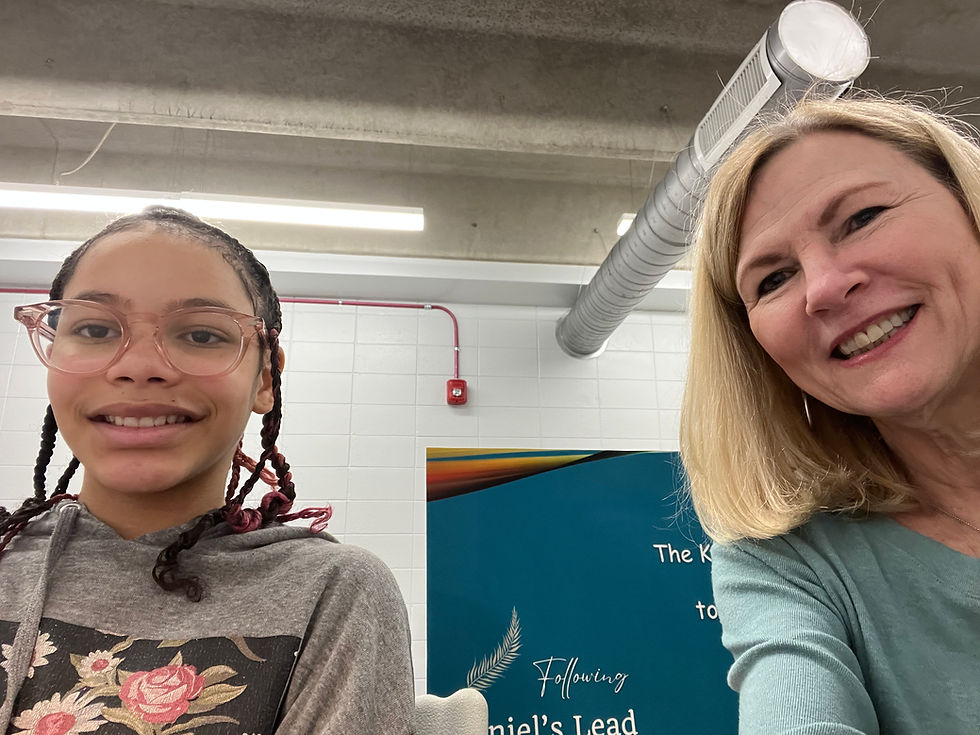
Piano techniques are combined with practicing acts of kindness to nature, others, and oneself.
Walt’s Waltz donated three pianos to the program. Carolina Voices is another partner.
Allen started teaching music at public schools in the 1980s and later became a school counselor.

After her son Daniel died, she retired from public school and began teaching other children.
Allen sees music as good medicine. It lowers stress hormones and boosts neurotransmitters like dopamine.

When trauma strikes, soothing music is to the rescue. But Allen takes this calming balm a step deeper. It is more curative when making music, as when playing the piano or another instrument, rather than just listening to a performance.
For sure, there is enough trauma today for all. Far too many are pushed over the edge and hurt themselves and others.
Let music intervene before violence erupts.
But powerful music, coupled with intentional acts of kindness, builds a fortress against losing it.
For many, it’s time to let the music flow. The goal of neo-music therapists is to stay ahead of crises rather than react after the horse has long since left the barn.
The far-reaching impact of teaching children to play the piano is worth the effort of teaching others, Allen said.
It is like taking an empty canvas and letting the instructor and student paint a masterpiece. This collaboration has a lifelong effect on the student and an equally enriching effect on the teacher, Allen says with a broad smile.
Teaching children to play the piano is a comprehensive process that builds cognitive, physical, and emotional skills, often serving as a foundation for lifelong learning, she explains.
The fundamental pillars of piano education include technical instruction, music theory, ear training, consistent practice, and creative expression. The long-term effects extend well beyond musical proficiency and include positively impacting brain development, academic performance, and emotional intelligence. Allen can chant this maxim in her sleep.
Allen’s son Daniel was a gifted guitarist. He graduated from Greenville Tech Charter High School. He earned a degree in guitar at Belmont University in Nashville, TN, before becoming a graduate student in school psychology at the Citadel, where he died in 2019.
.
A program called Daniel’s Keys has been created in tribute to Daniel Allen, known to family, friends, and all he encountered for his extraordinary kindness. Daniel spread his bright light of compassion and joy wherever he went, and now Allen strives to follow in his footsteps.
Daniel Keys Program believes that everyone has the right to experience the joy of learning how to play a musical instrument.
All eligibility requirements are listed at this link:
.
.


