Common health risks for this season
Dr. Johnathon Elkes, a Prisma Health emergency medicine physician in the Upstate, discusses risks like carbon monoxide poisoning, fall-related injuries, and driving mishaps during winter weather. These hazards are frequently highlighted in late winter, such as in February and March, due to fluctuating temperatures and potential
for winter storms in South Carolina.
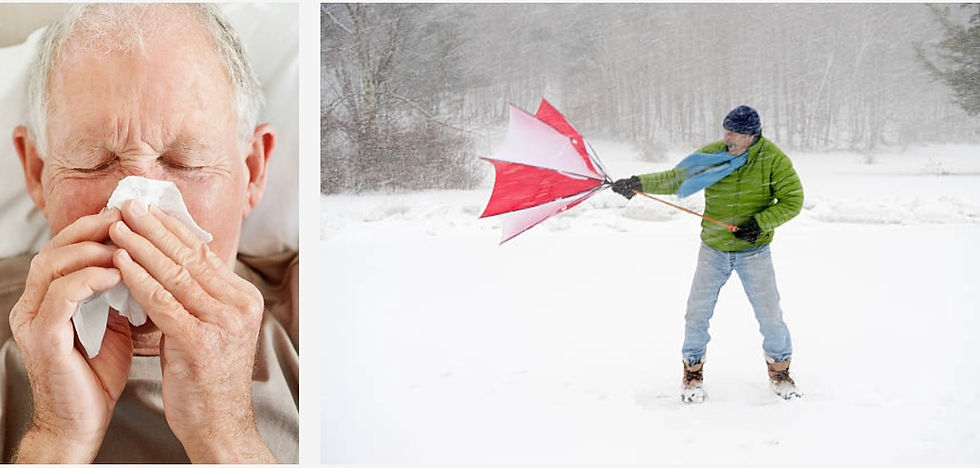
Particular risks include carbon monoxide poisoning,
Common ER cases from car accidents while driving during winter storms, injuries from falls on ice and snow, hazards from outages and relying on electric medical equipment, and hypothermia.
Carbon monoxide spikes when temperatures plunge, making people use more fuel-burning heaters indoors with poorly maintained chimneys and vents during winter.
Because life is at stake, we can ill afford to neglect chimney safety and ventilation, and we must be more diligent about how we use portable heaters.
Dr. Paul Richardson of Conway Medical Center warns us about the hazards of sudden temperature shifts, which can trigger symptoms such as headaches, fatigue, respiratory problems, and allergies. Rapid climatic changes weaken our immune system and make us vulnerable to sicknesses
Dr. Wendy Miller, the attending physician at Lexington Medical Center, recommends that seniors stay warm, as temperatures can fluctuate wildly in February and March. Such fluctuations can affect the immune system, making seniors, in particular, more prone to illness.
Seniors don’t need a sudden and severe drop in body temperature as caused by rapid temperature changes this time of year, Miller said.
No, you are not lazy. Be kind to yourself. It’s the weather.


